japan - a study in detail
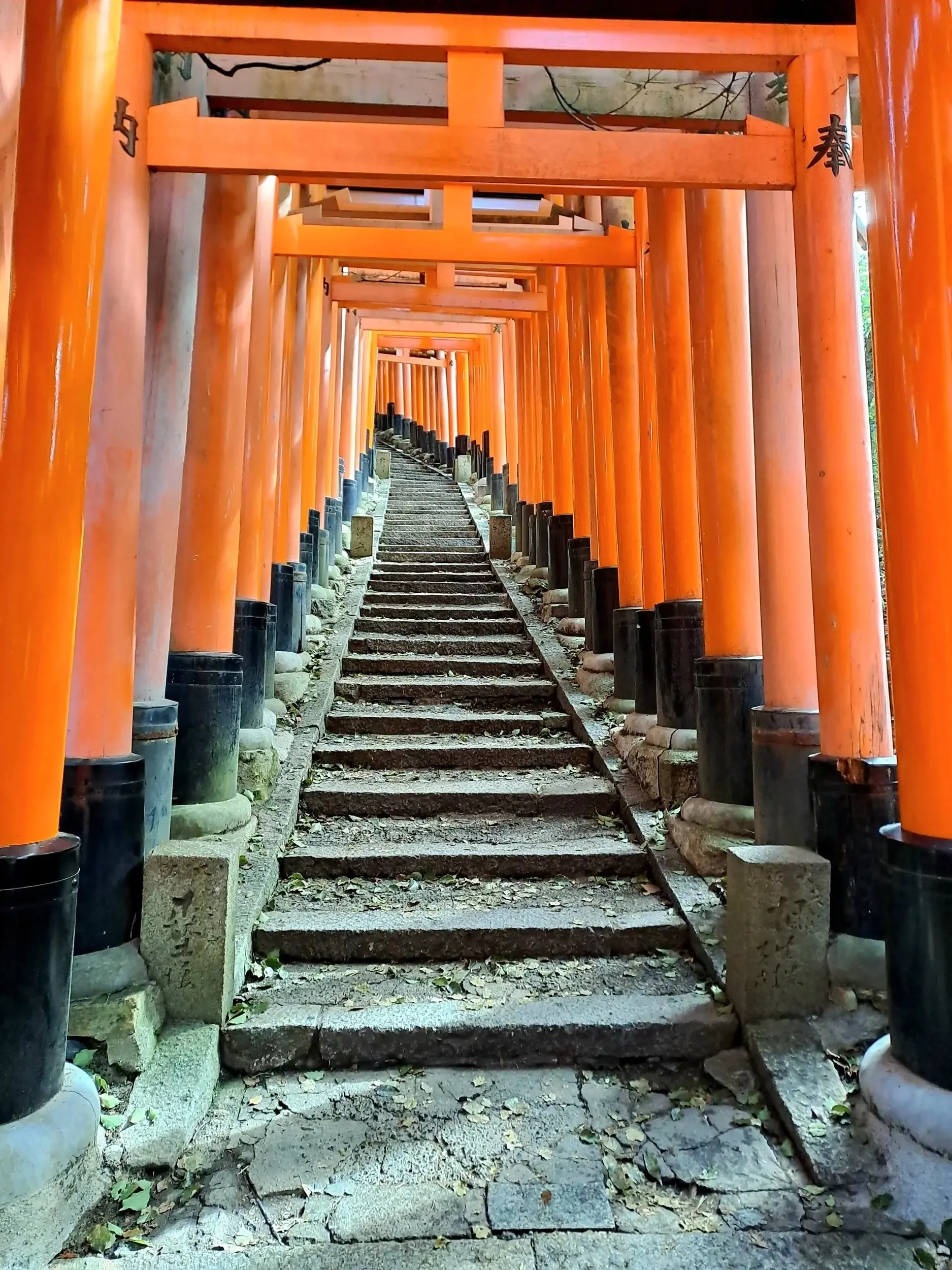
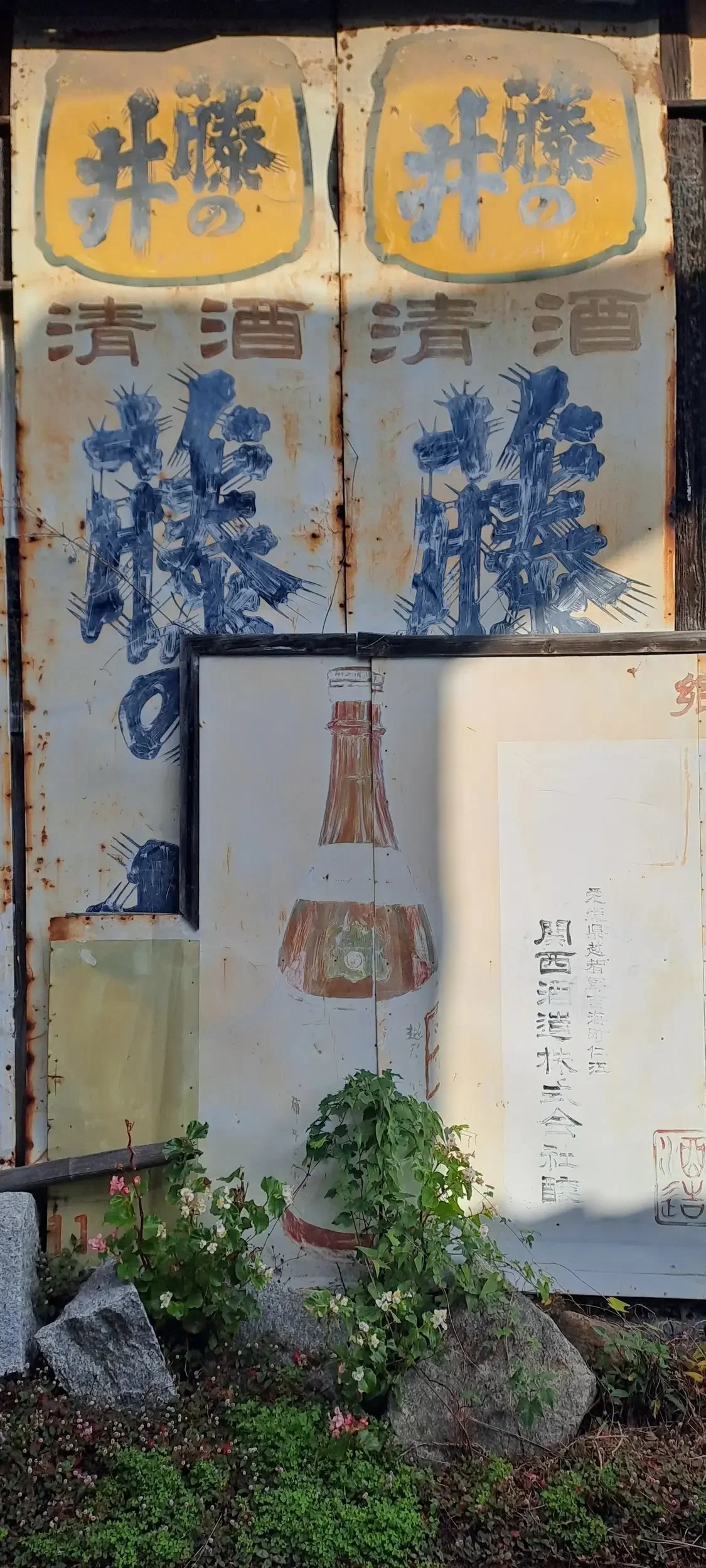
From the ubiquitous vermilion torii gates of Kyoto to the delicately inlaid wooden boxes of Hakone, Japan is a place where meaning lives in the details. Freshly returned from one of the most curious and compelling countries I’ve ever visited, I wanted to capture some of the moments, materials, and spatial experiences that have stayed with me.
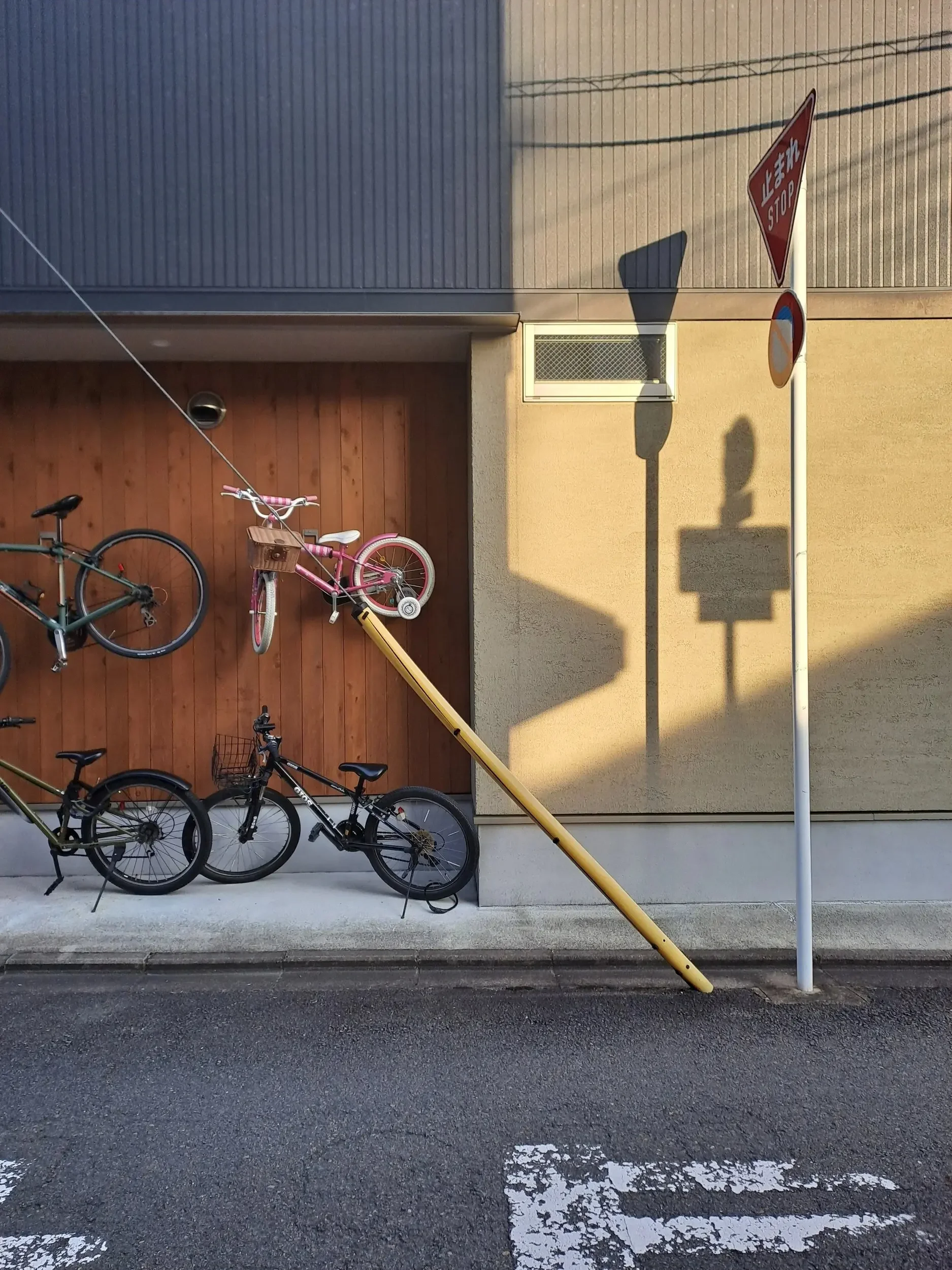
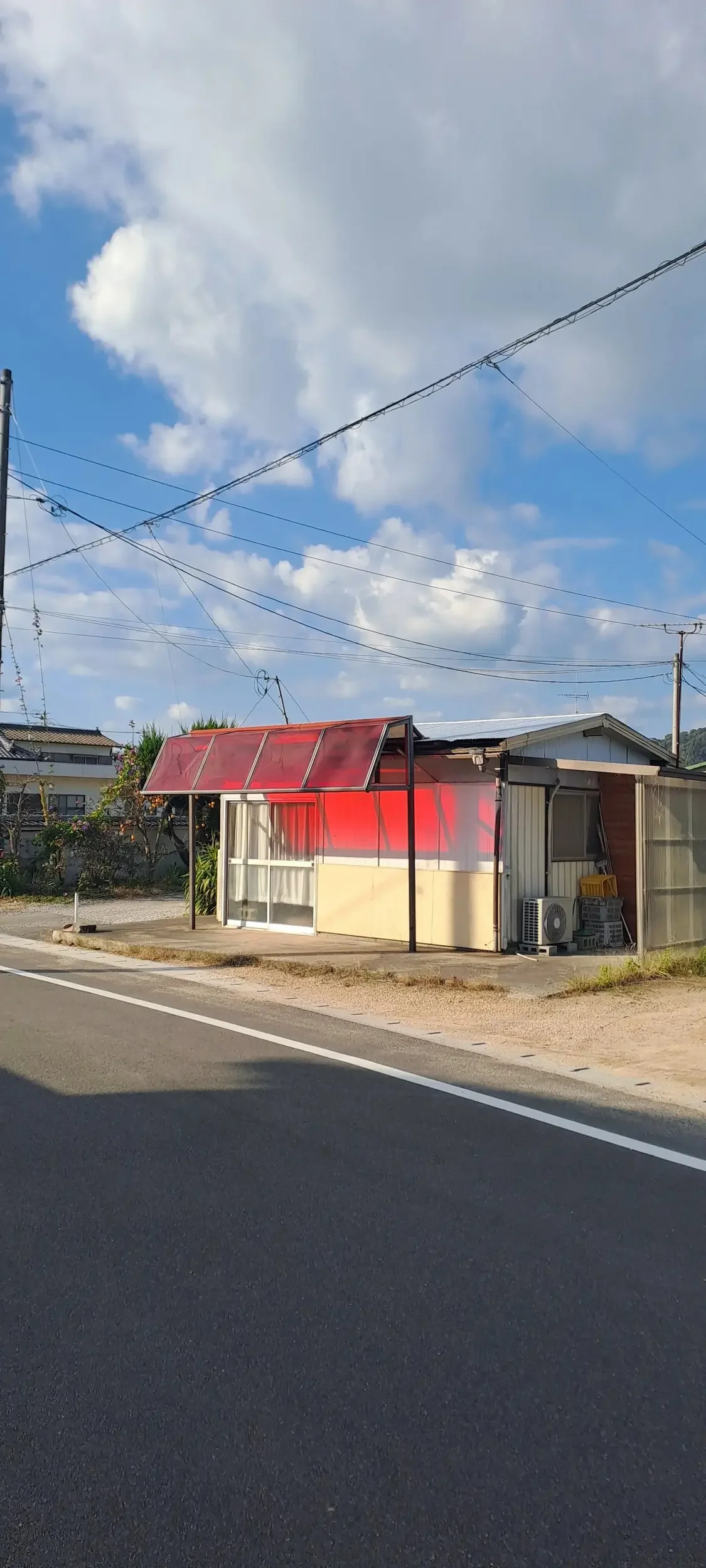
Travel plays a vital role in my design practice. It resets my thinking, sharpens my eye, and often unlocks solutions to questions I’ve been quietly mulling over back home. This autumn marked my first trip to Japan - and, unusually for me, the first time I travelled with a sketchbook, picked up from one of the country’s many wonderful stationery stores. I found myself stopping every few metres to record a shadow, a junction, a threshold, a moment in time.
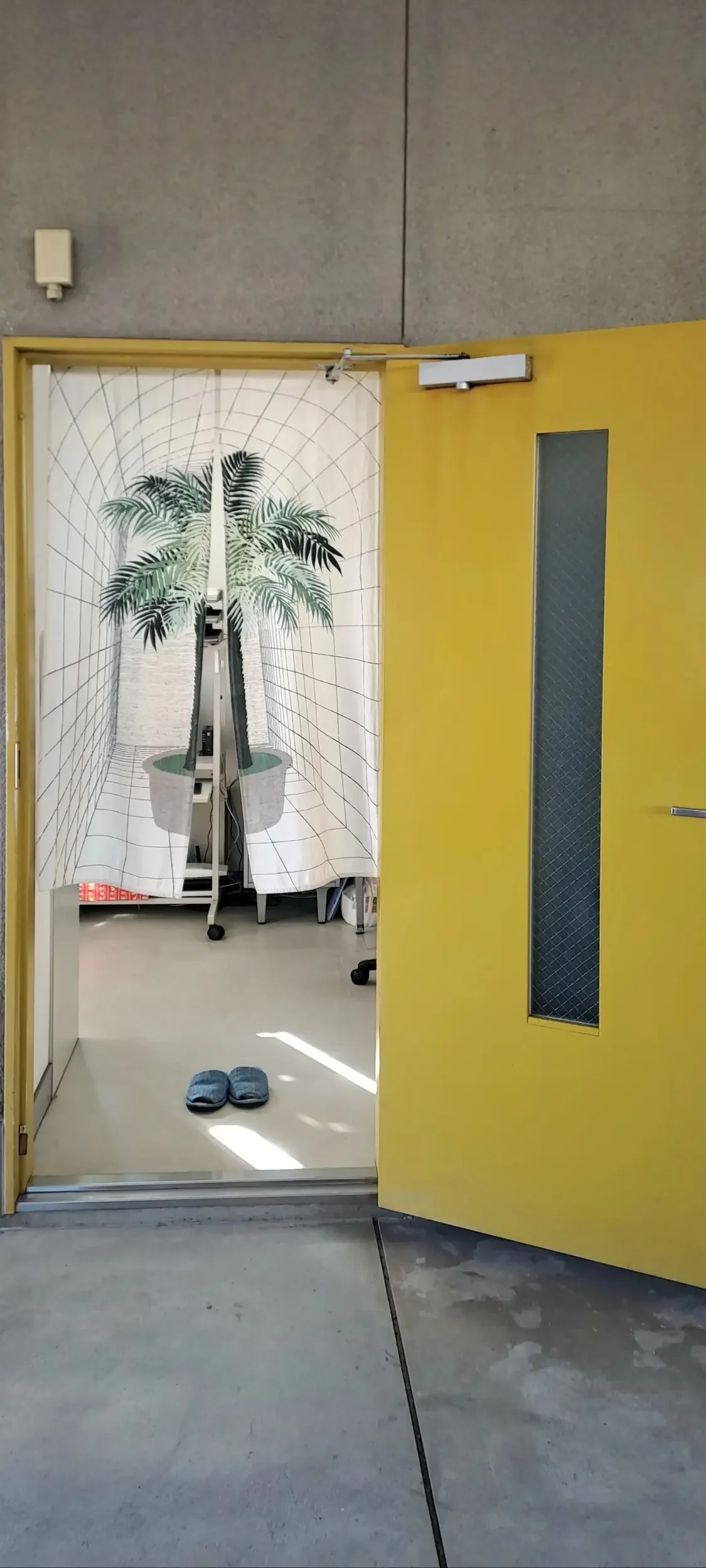
What struck me most was how deeply embedded design thinking is in everyday life. From transport systems to bathroom etiquette, from packaging to public space, everything feels intentional. Despite a population density around 40% higher than the UK, Japan felt calm, ordered, and generous. No pushing. No noise for noise’s sake.
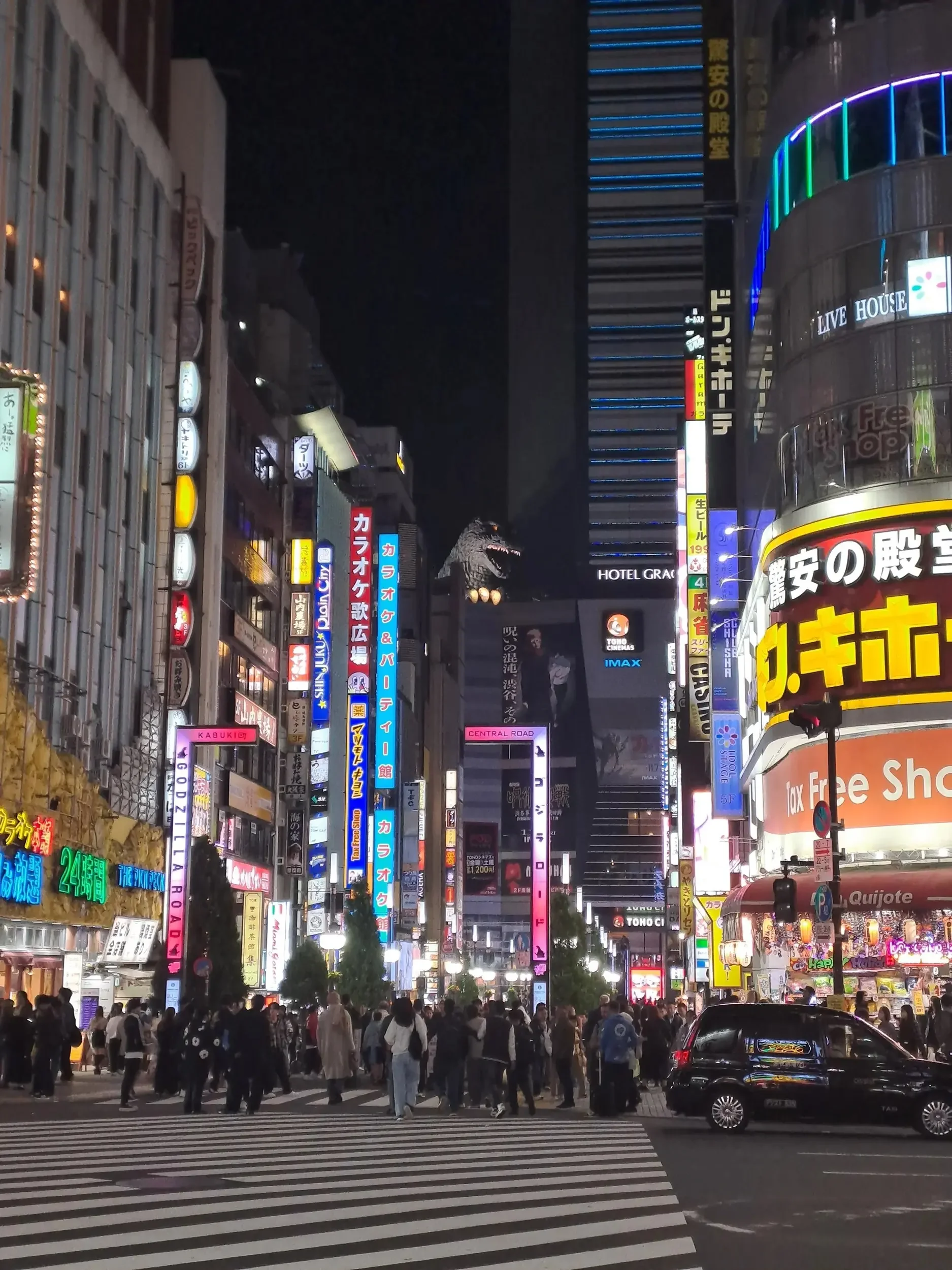
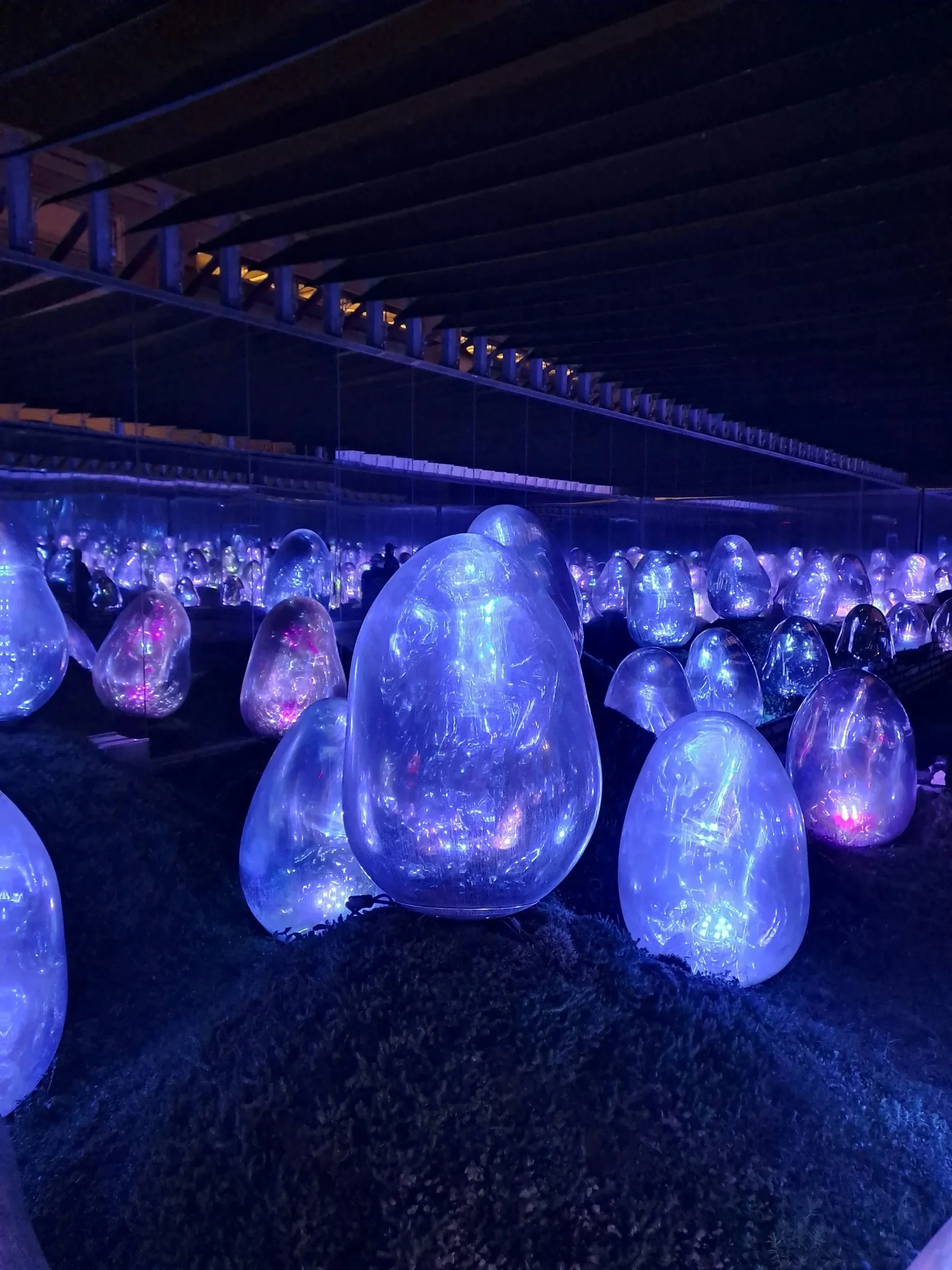
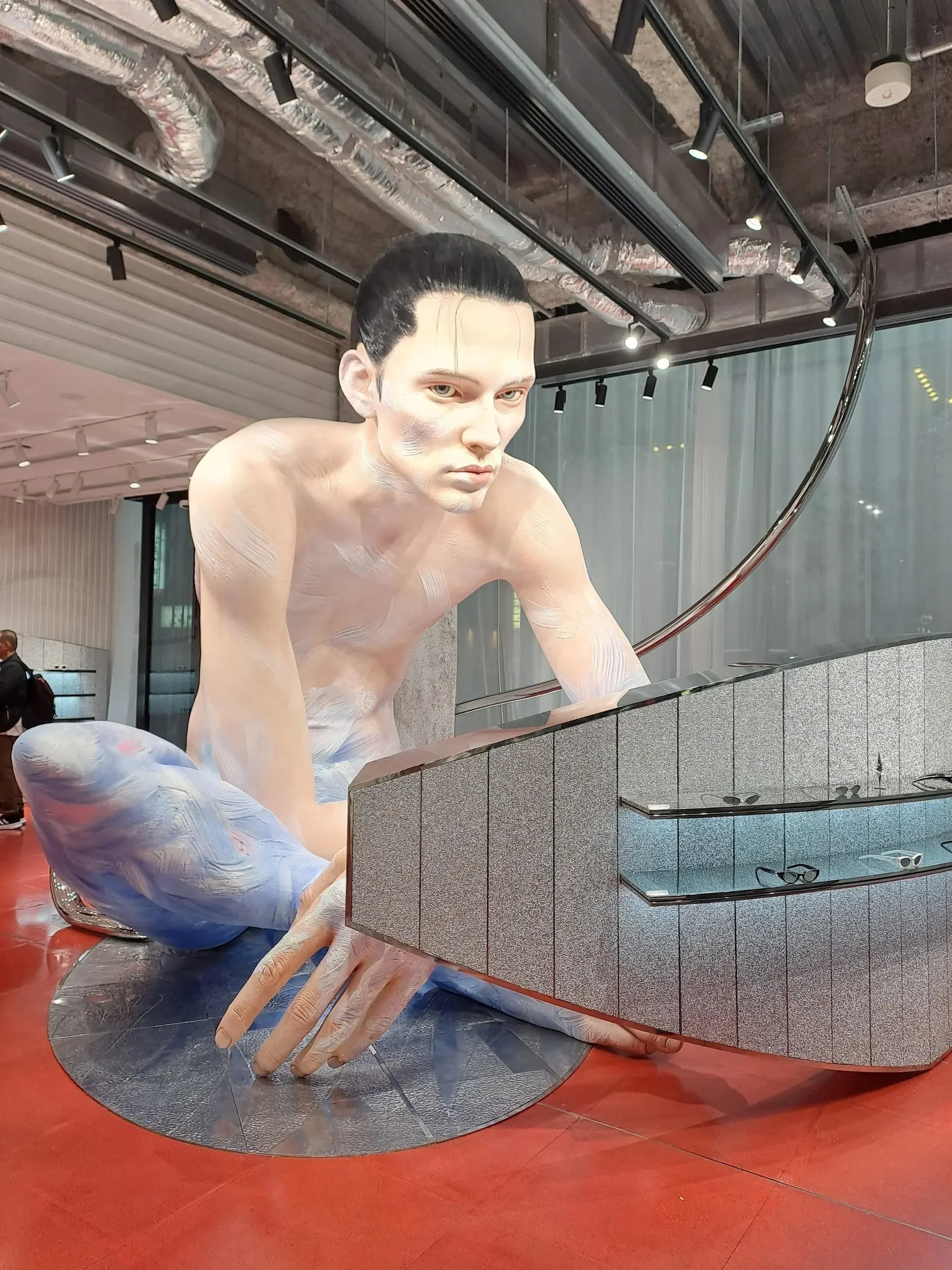
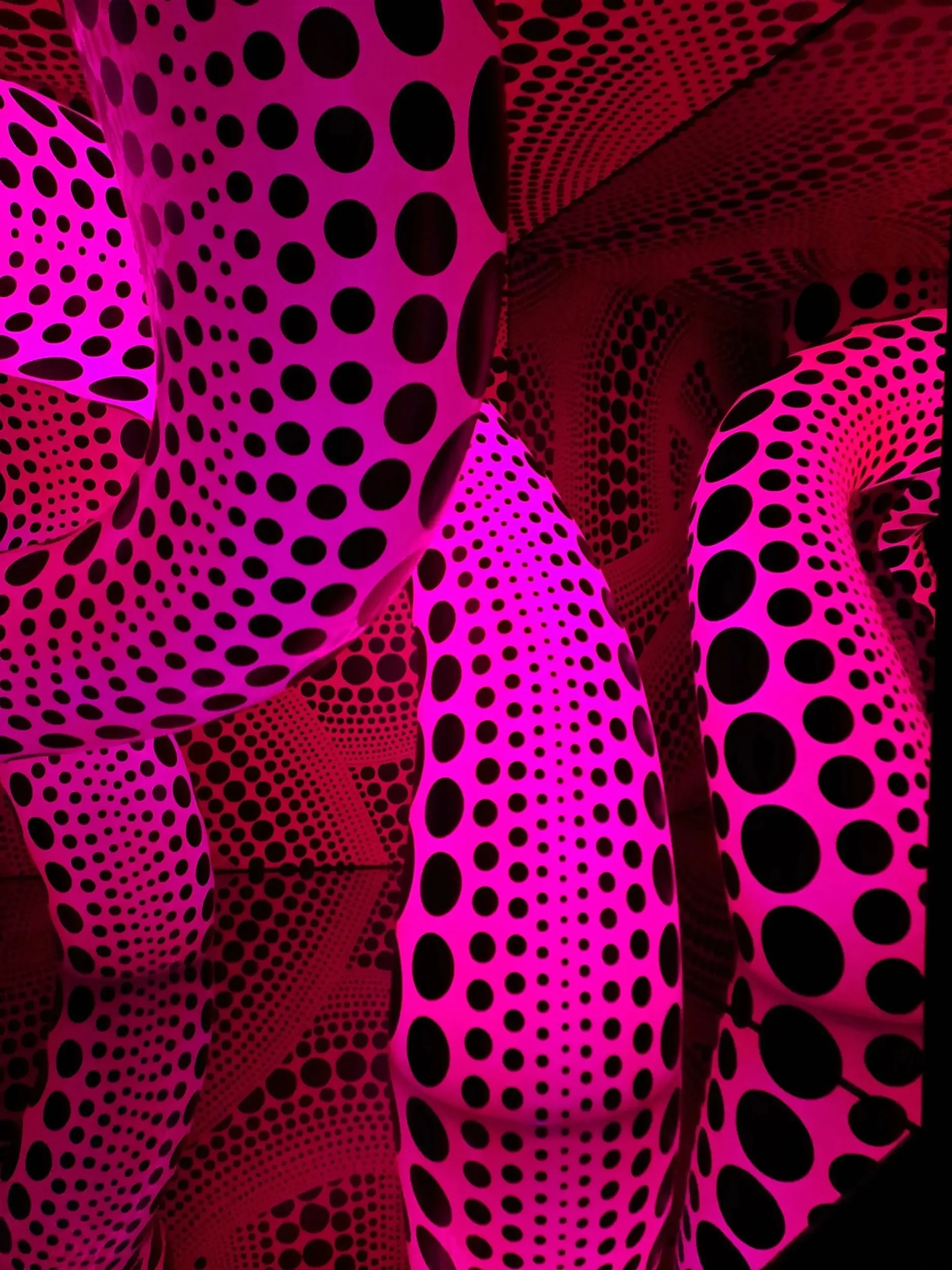
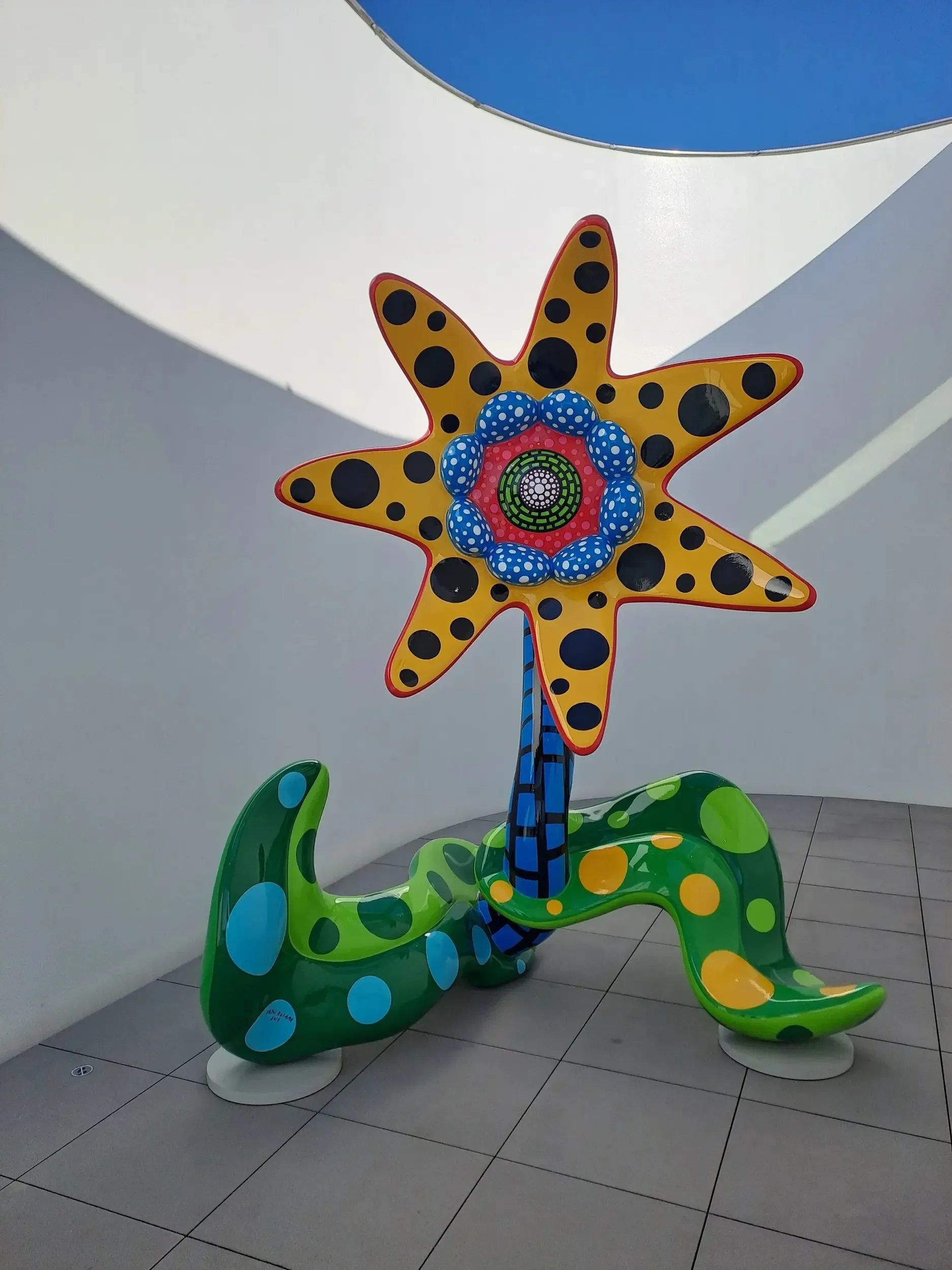
We began in Tokyo, diving straight into Shibuya - neon, movement, scale. And yet, even at the world’s busiest crossing, there was an unexpected sense of order. Over the following days we explored everything from the Meiji Shrine to Harajuku, and immersed ourselves in Japanese retail design - spaces that feel closer to galleries than shops. Gentle Monster, Mad Happy, pop-up exhibitions, and the endlessly joyful B-Side Label sticker store revealed how seamlessly storytelling, art, and commerce intertwine. A visit to the Yayoi Kusama Museum and a sumo demonstration in Shinjuku rounded out a city that constantly balances the futuristic with the deeply ritualistic.
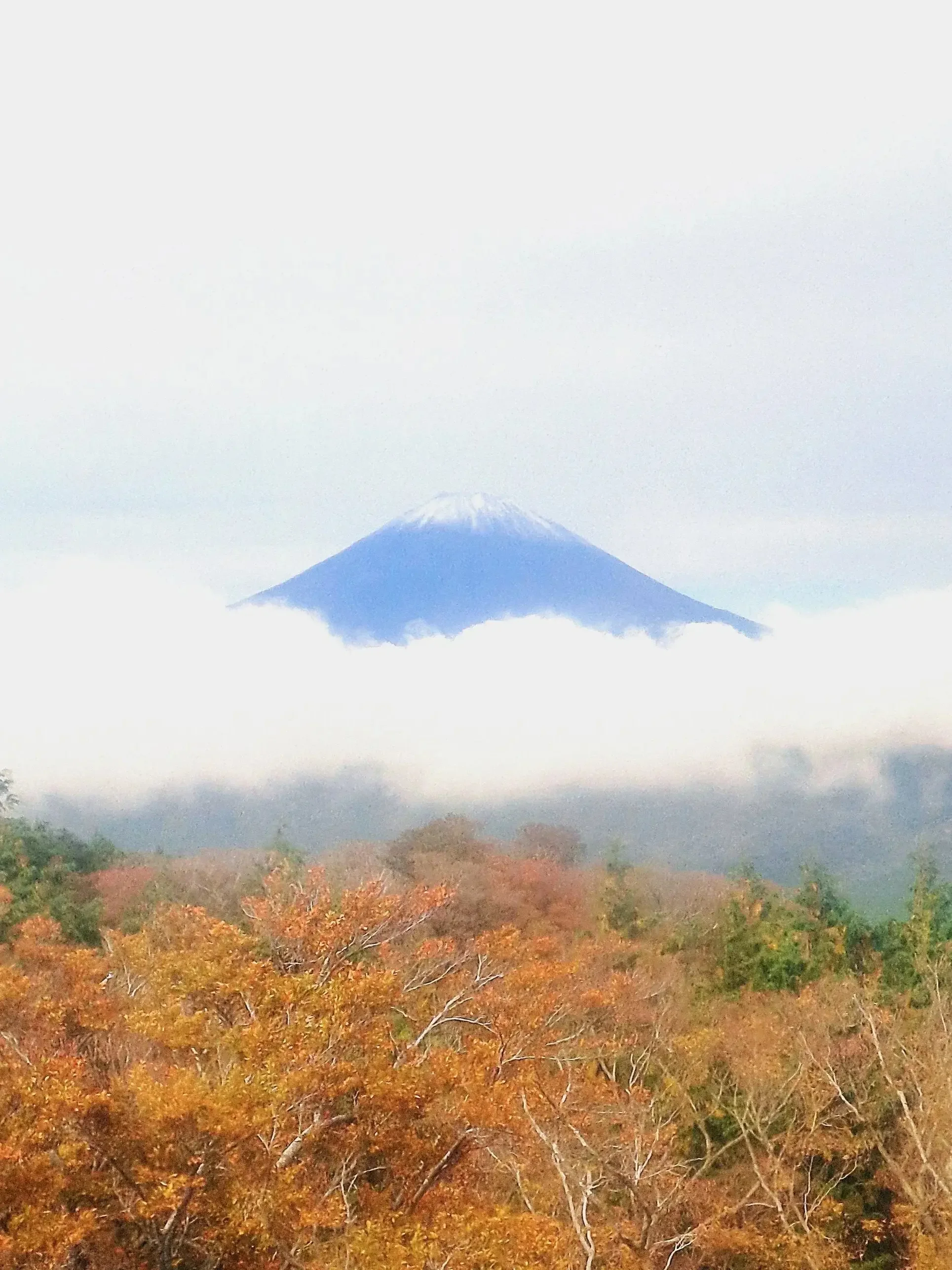
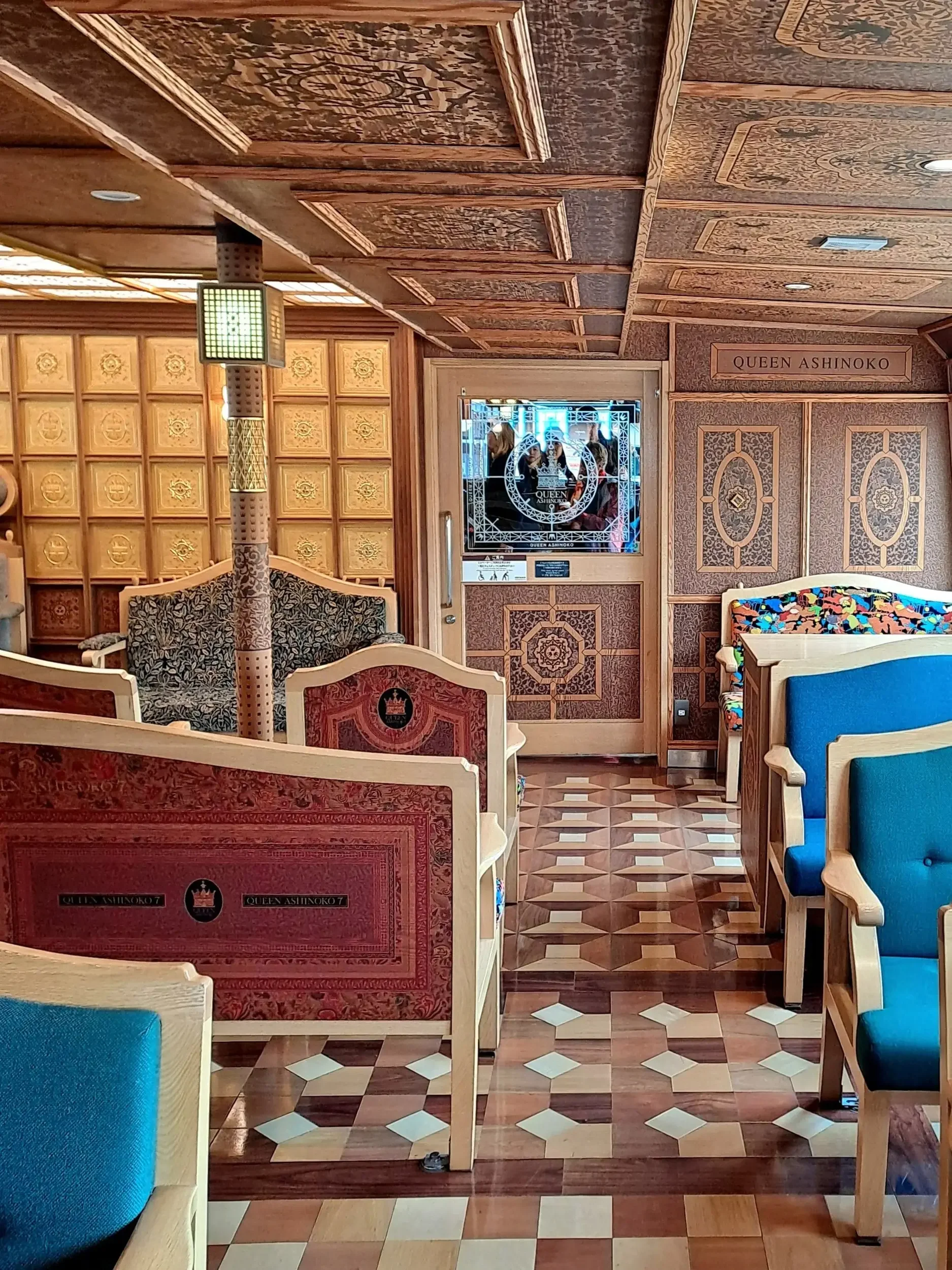
From Tokyo we travelled to Hakone, taking in Mount Fuji via cable cars, funiculars, ferries, and footpaths. Seeing Fuji clearly - a rarity, we later learned - felt like a quiet gift. Ryokan culture, onsen rituals, and the relationship between architecture and landscape offered a masterclass in restraint and reverence.
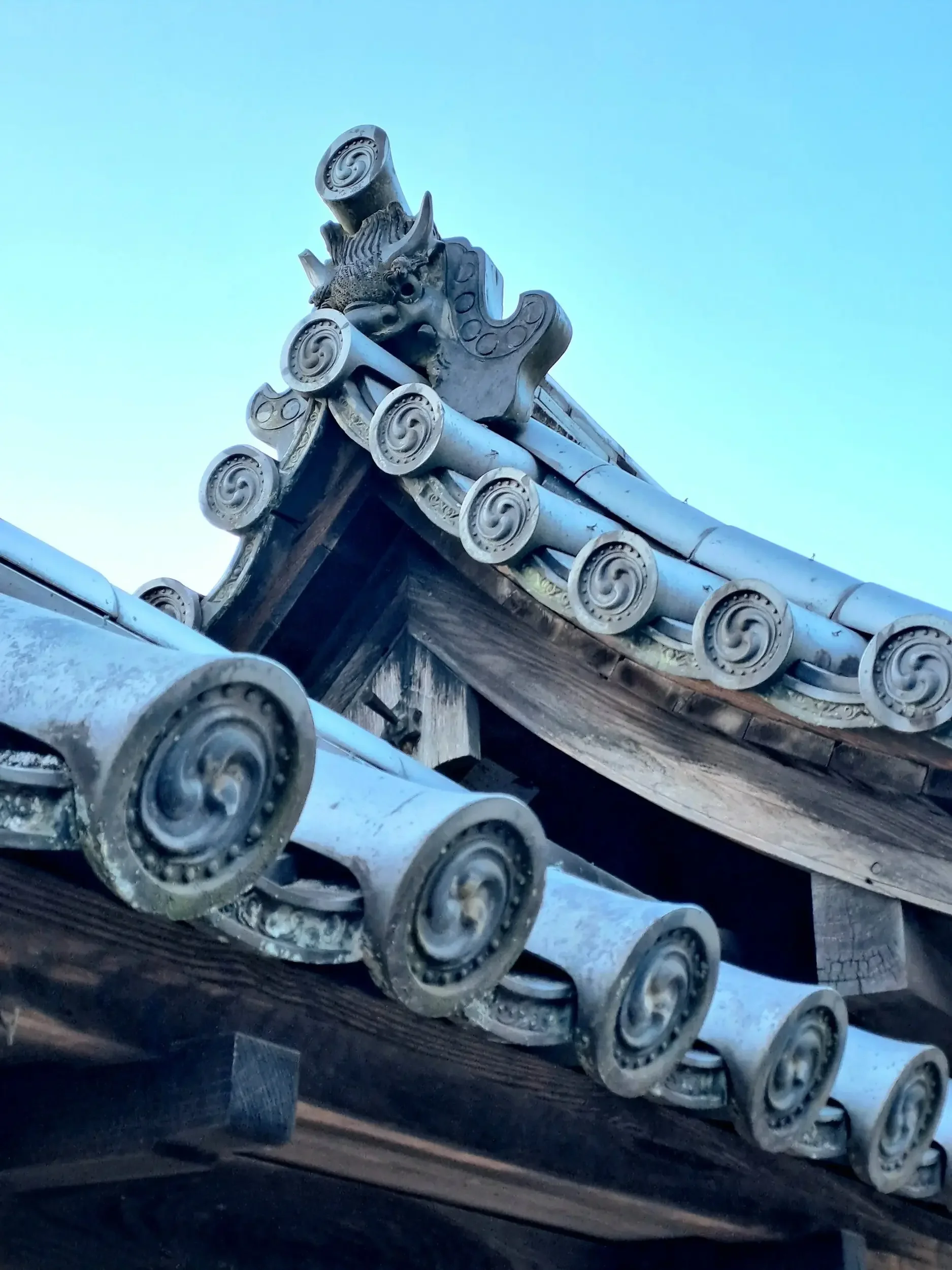
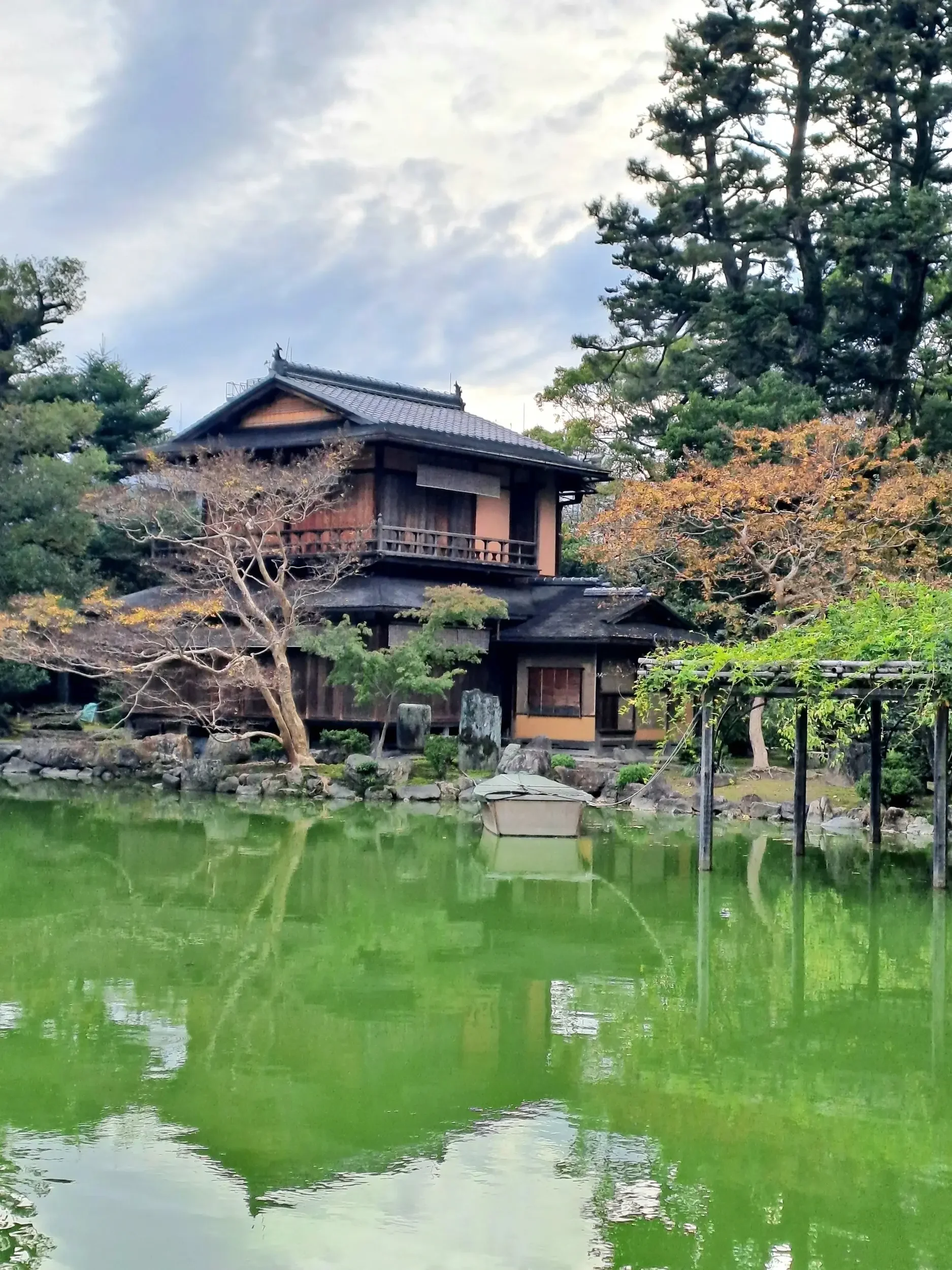
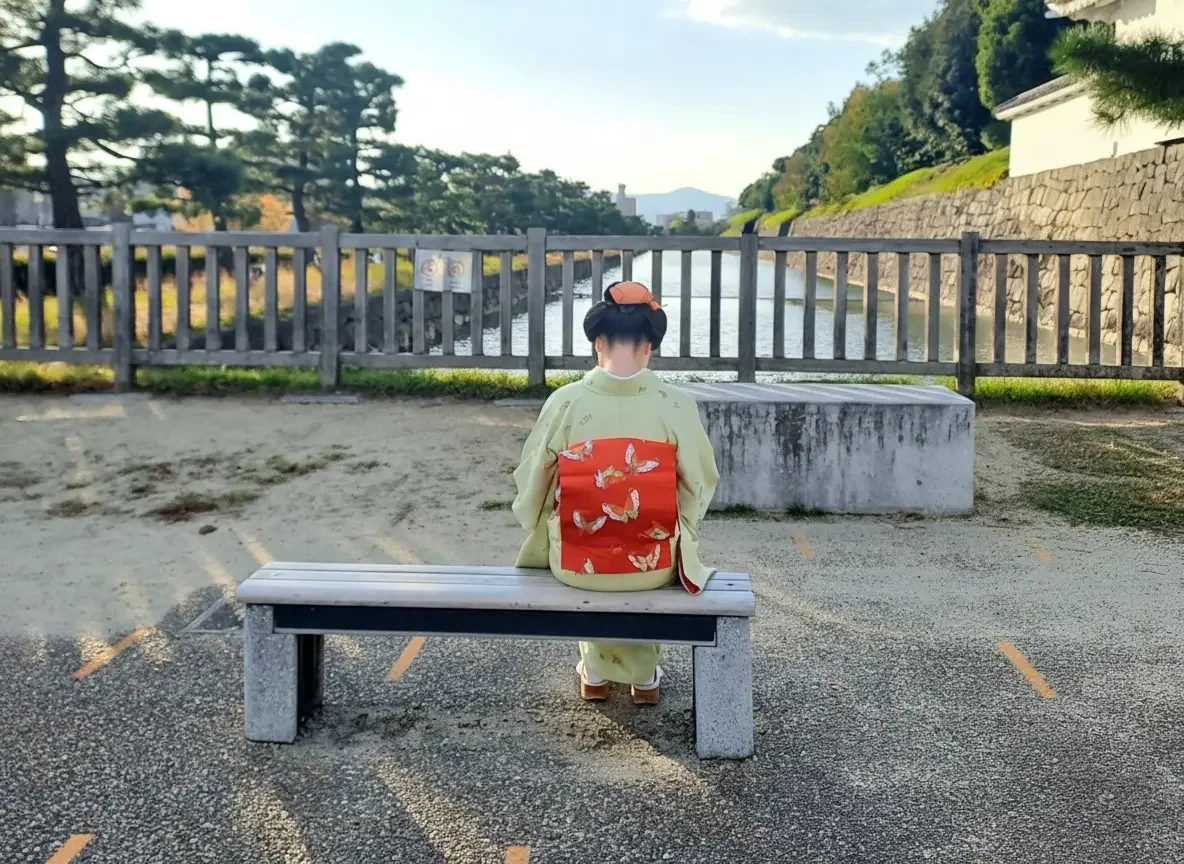
Kyoto surprised us most. While rich in tradition - temples, shrines and geisha districts, it felt effortlessly liveable. Lower-rise, greener, more human in scale. Independent cafés, clothing labels, and neighbourhoods full of character made it feel creative rather than frozen in time.
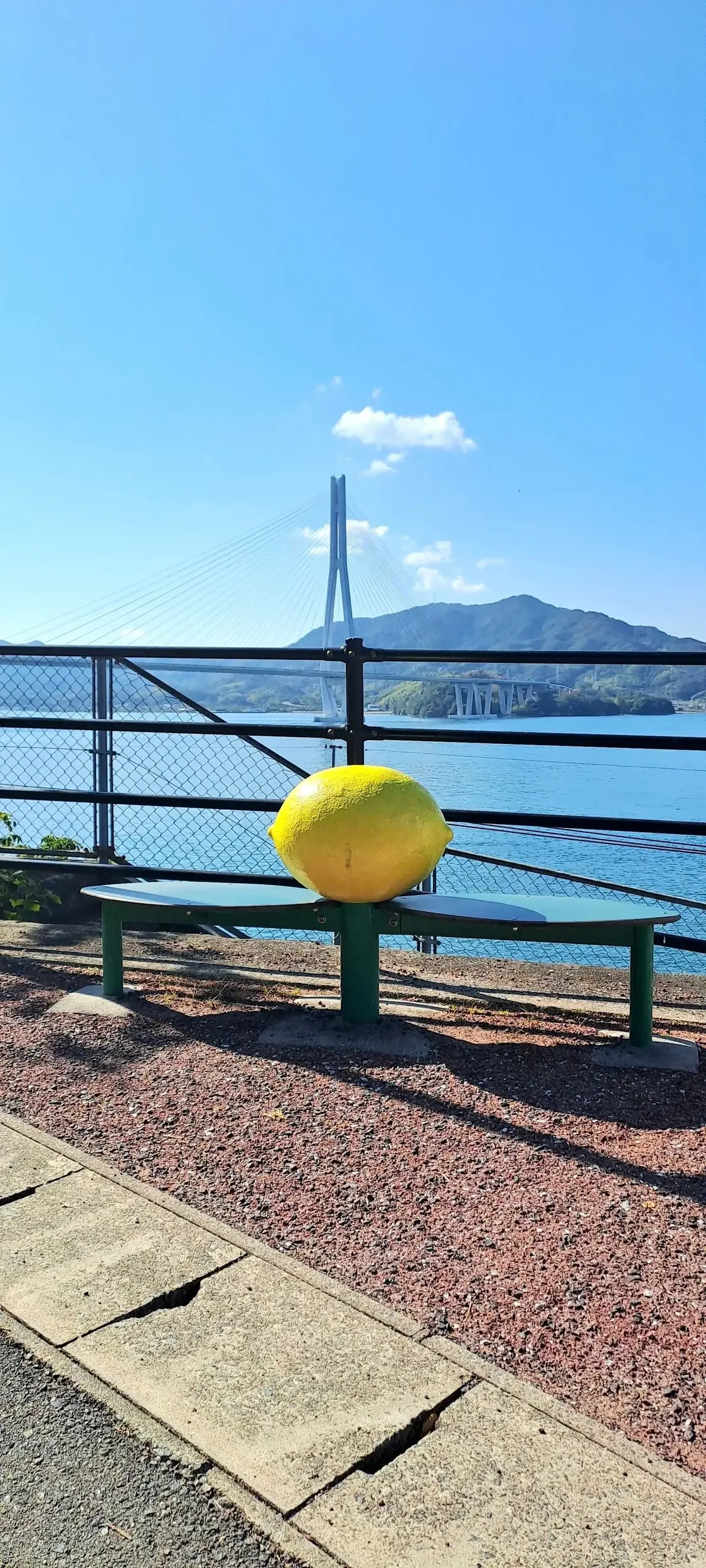
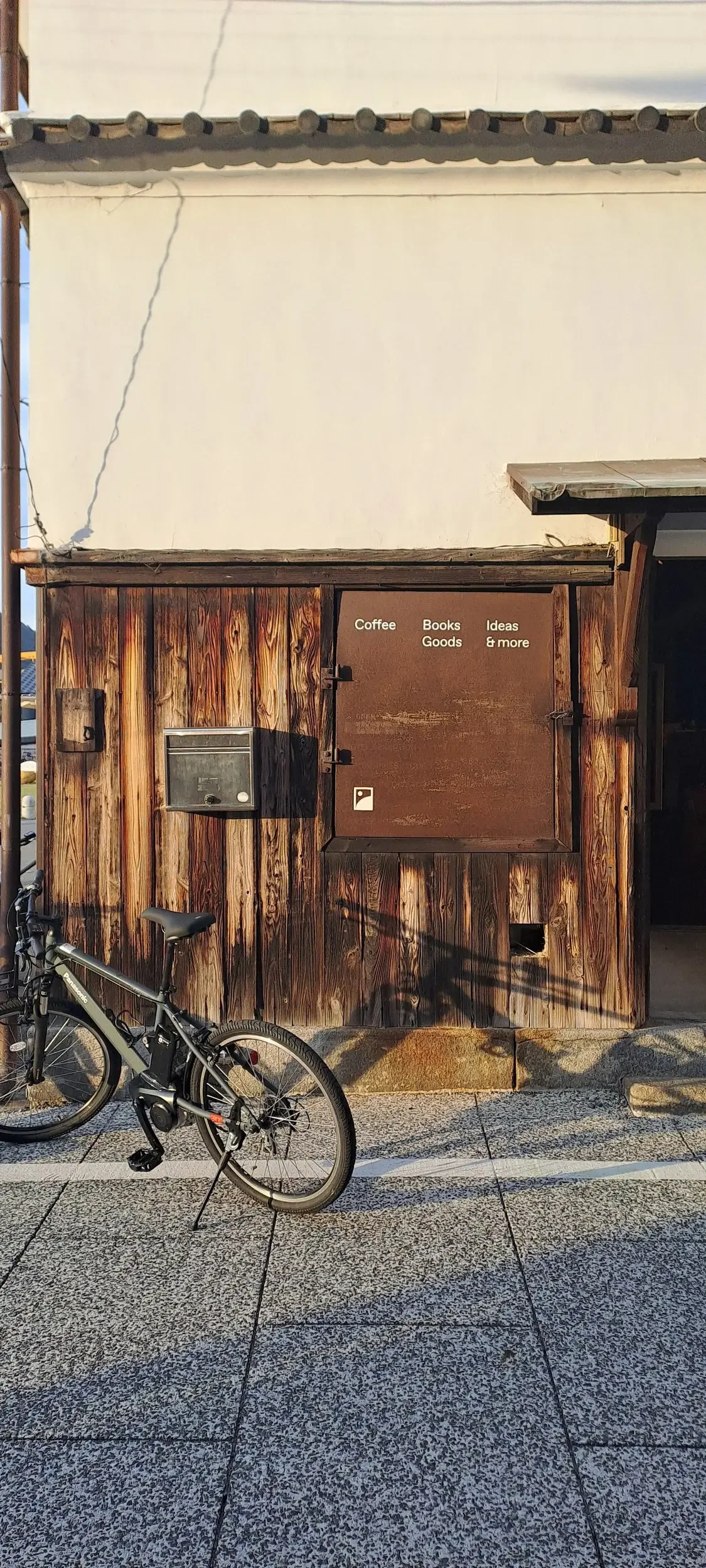
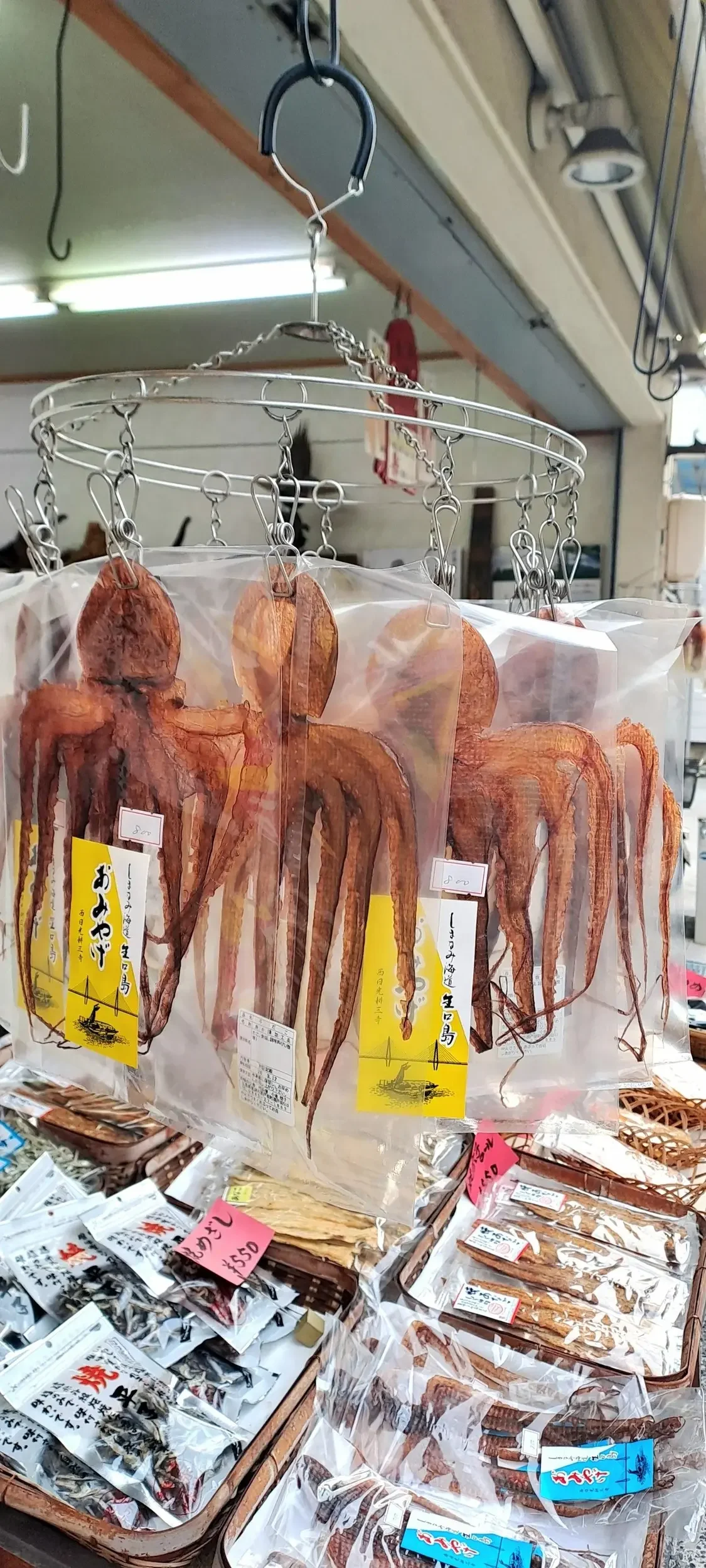
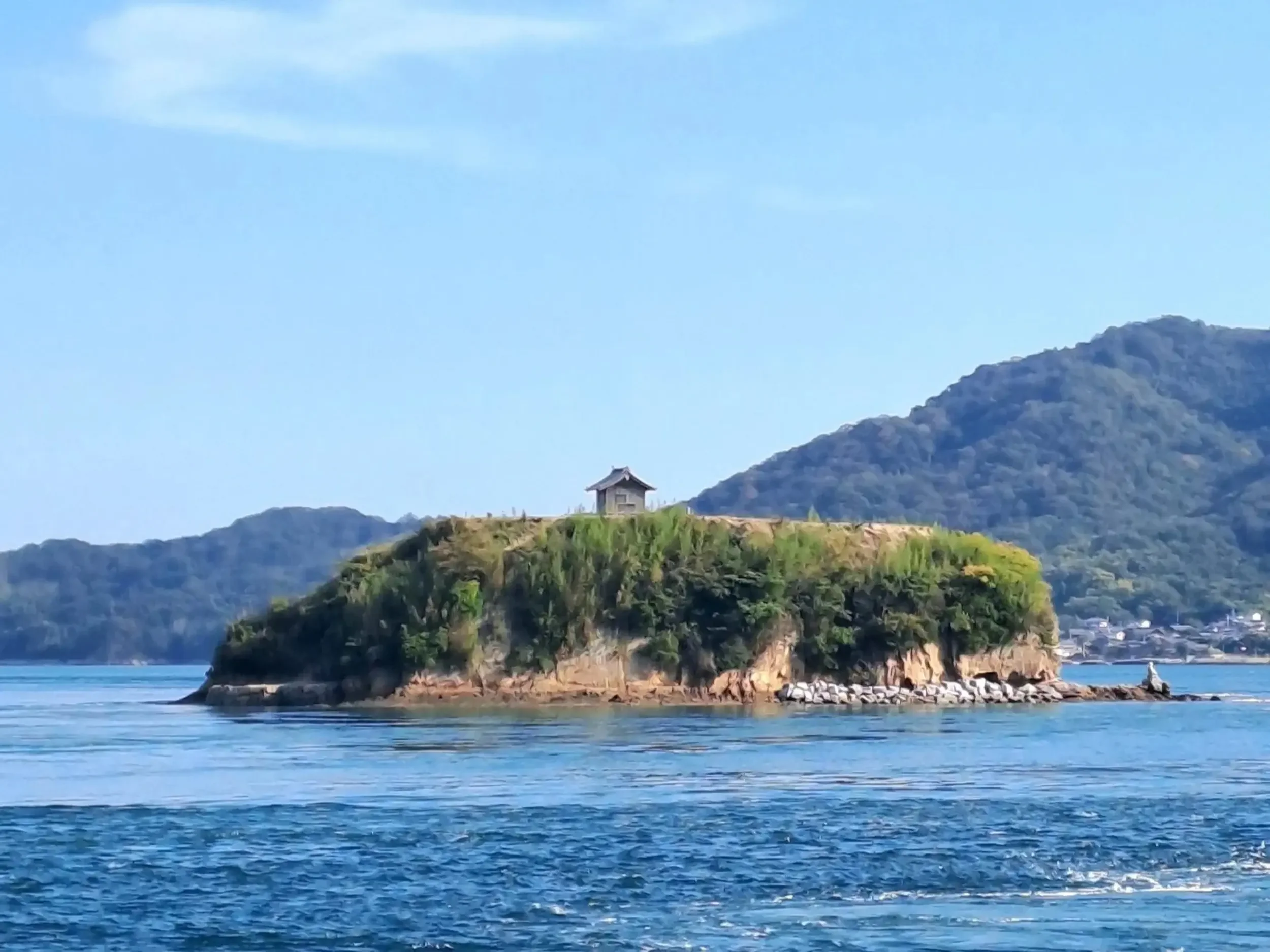
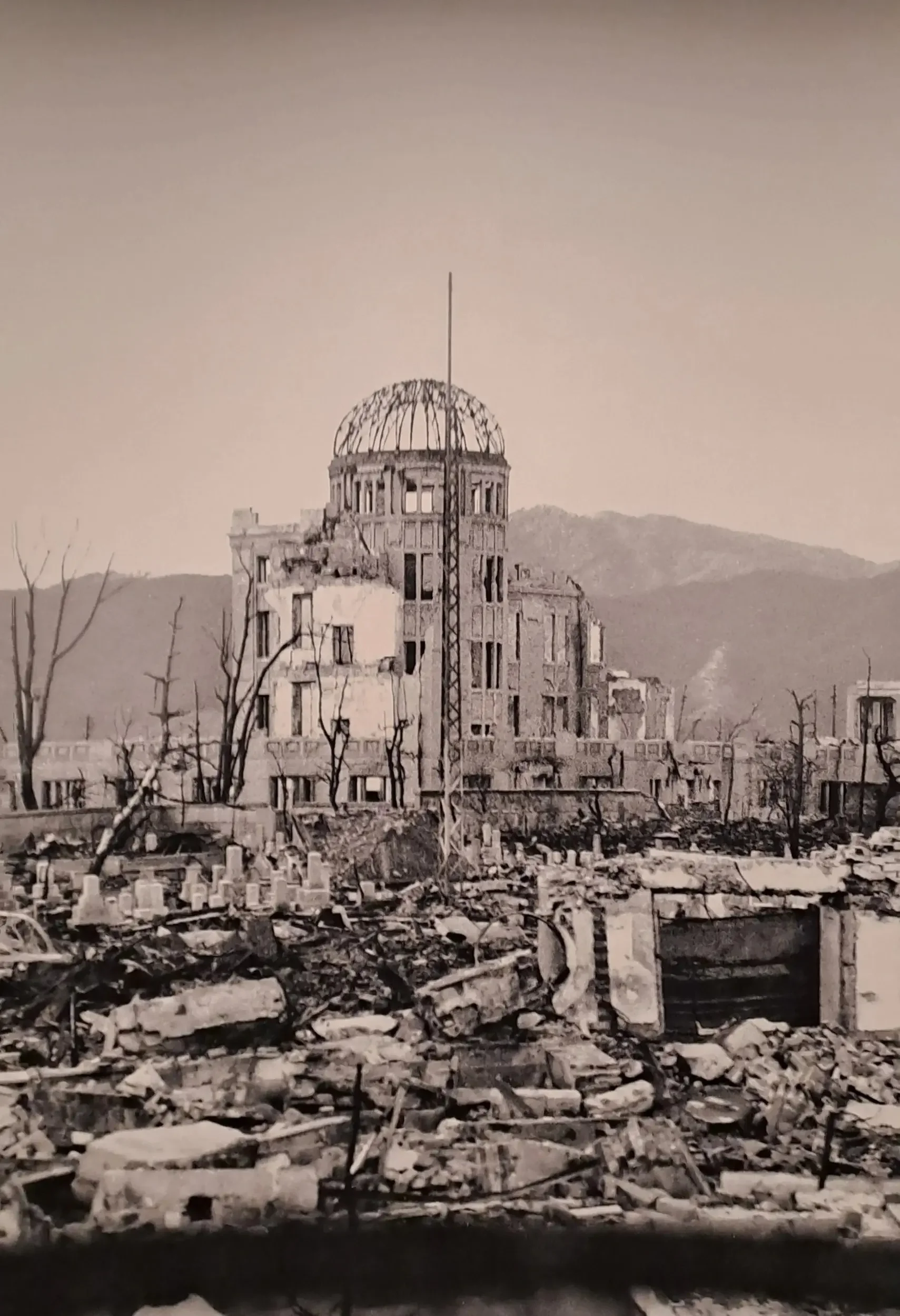
From there we travelled south through Nara and on to the Shimanami Kaido, cycling between small islands dotted with lemon groves. A stop in Setoda revealed a softer, slower Japan - community-led, artistic, and open. Hiroshima followed - sobering, humbling, essential.
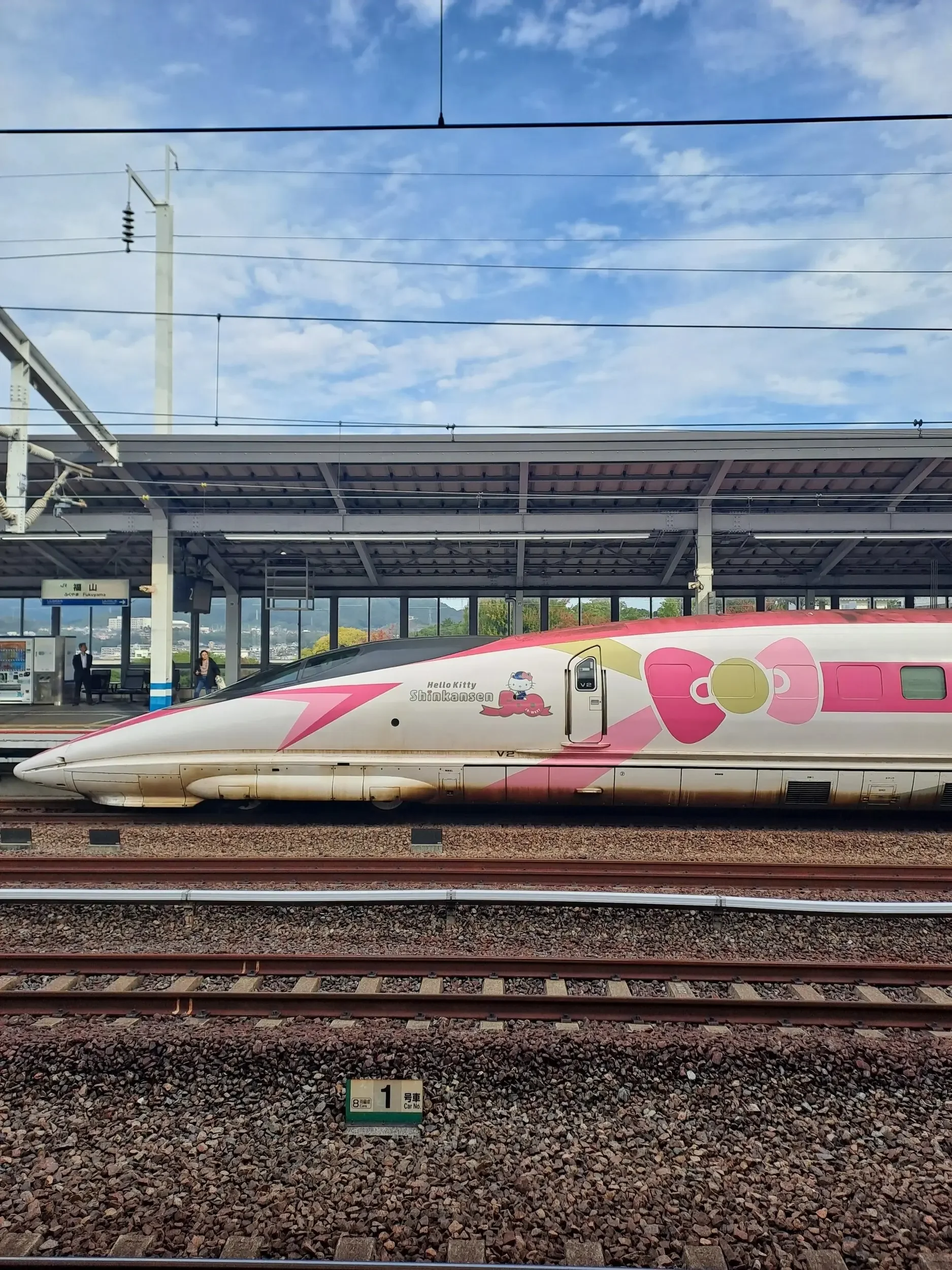
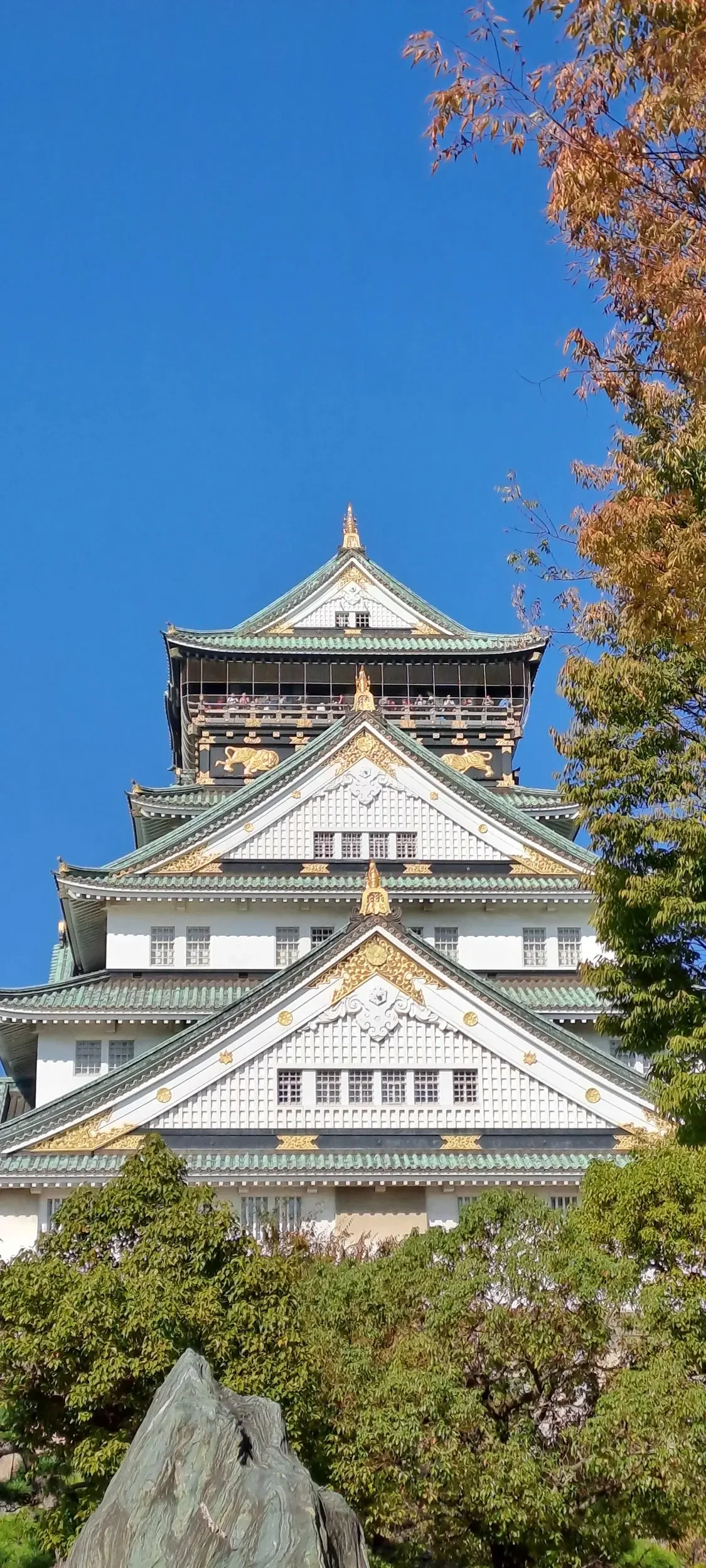
We ended in Osaka, catching a glimpse of the iconic Hello Kitty Shinkansen before its retirement - a fitting final note in a country where even infrastructure carries personality.
Japan is often described as futuristic, yet parts of it feel delightfully analogue - coins for trains, fax machines still in use. It’s a reminder that progress doesn’t always mean speed, and that longevity often comes from care, not novelty.
I returned to the UK energised, with pages of sketches, material ideas, and spatial lessons I’m excited to bring into the studio. A renewed respect for craft. For quiet confidence. For design that supports life rather than shouting over it. Here’s to carrying that forward into our work, our spaces, and into 2026.
Entry Date
3 November 2025