folding history into interiors
Entry Date
11 March 2026
Imagery
San Stae (Sketches, CGIs)
Village Design (Marketing CGIs)
San Stae has been appointed by Hatchbury to design the interiors and amenity spaces for The Paper Yard, a 77-apartment development in Birmingham’s historic Gun Quarter - an area once central to rifle production during the American Civil War, where traces of that industrial past still shape the character of the neighbourhood.
For a studio that often works with heritage buildings, the project offers a special opportunity to shape a residential scheme from the ground up, including a full suite of shared amenity spaces. For us, the guiding questions were how a new building might feel rooted in its surroundings and how contemporary living could emerge from the layered histories of the place.
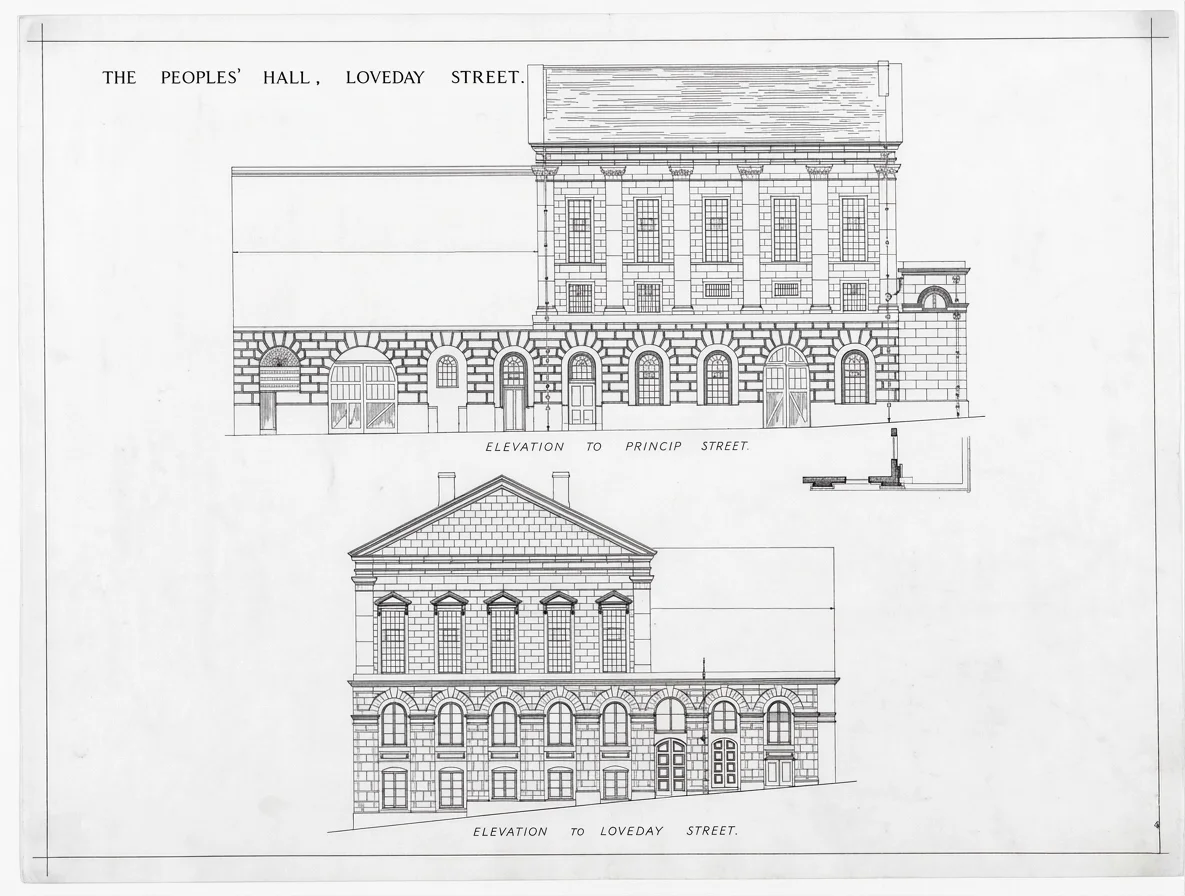
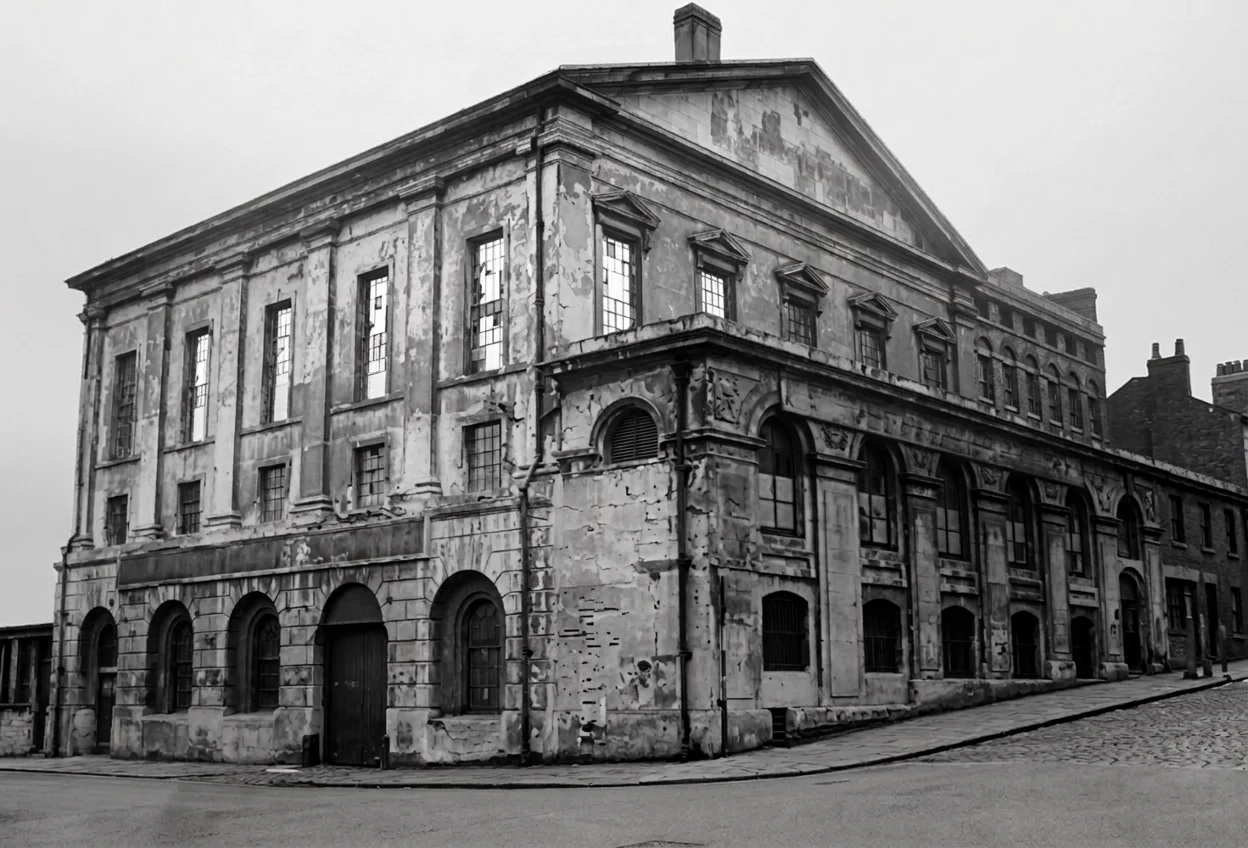
As with all our projects, we began by looking closely at the story of the site itself. This large parcel of land has lived several lives, once home to The People’s Hall of Science, an imposing neoclassical building created for lectures, learning and public assembly (as featured above). In time it became The People’s Hall Works, a paper and box factory, and later a warehouse. Each chapter left traces, and the interiors respond to these histories through material, form and atmosphere.
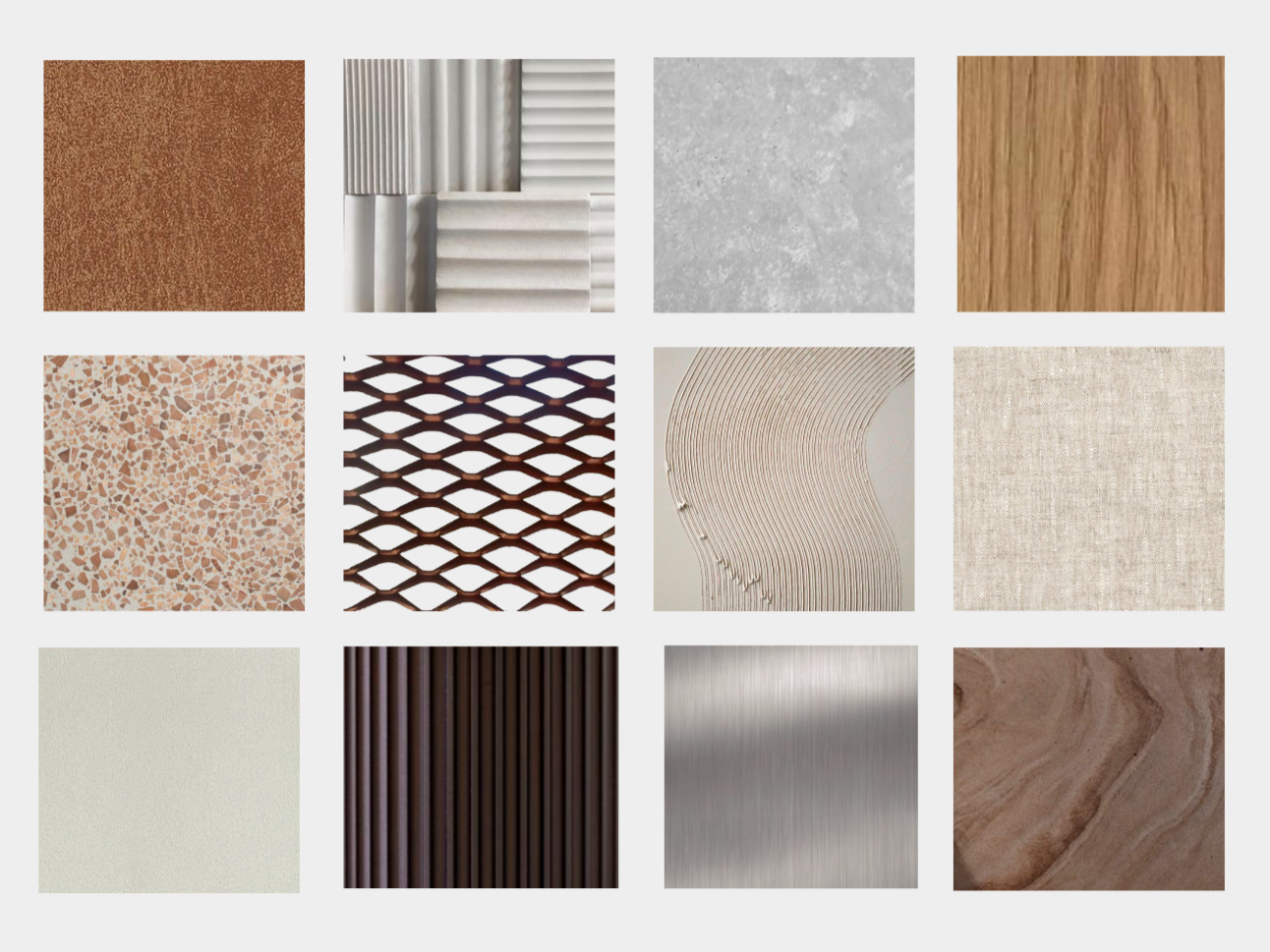
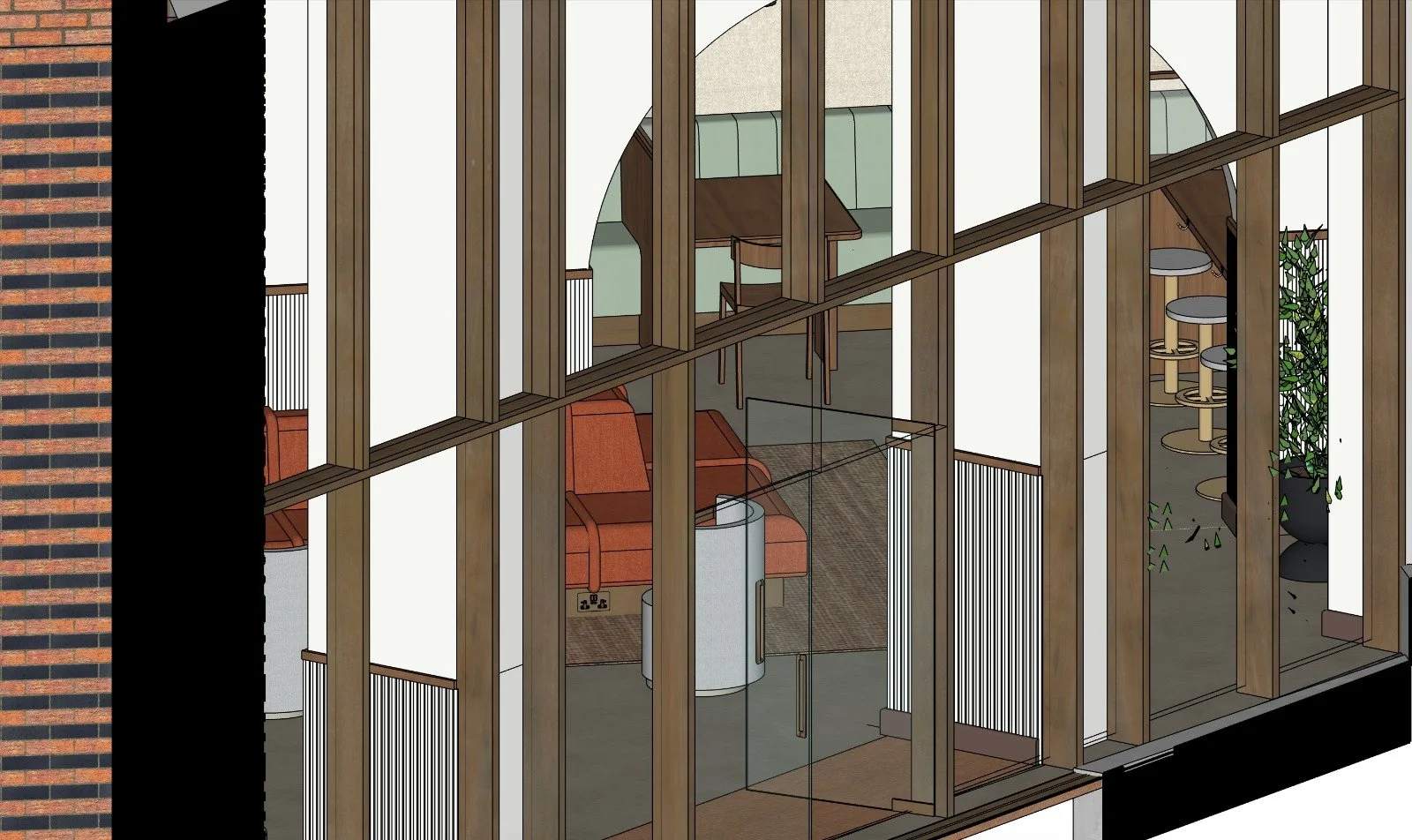
Working closely with BPN Architects, we have developed a dialogue between exterior and interior spaces. The architecture takes cues from both the former People’s Hall and heritage streetscape in its strong arches, robust brickwork and crafted metal details. BPN’s perforated metalwork design in anodised bronze, inspired by delicate paper cut-outs, became a motif that continues inside the building. Bronze finishes thread through the apartments and amenity spaces, linking the interior palette to the language of the façade.
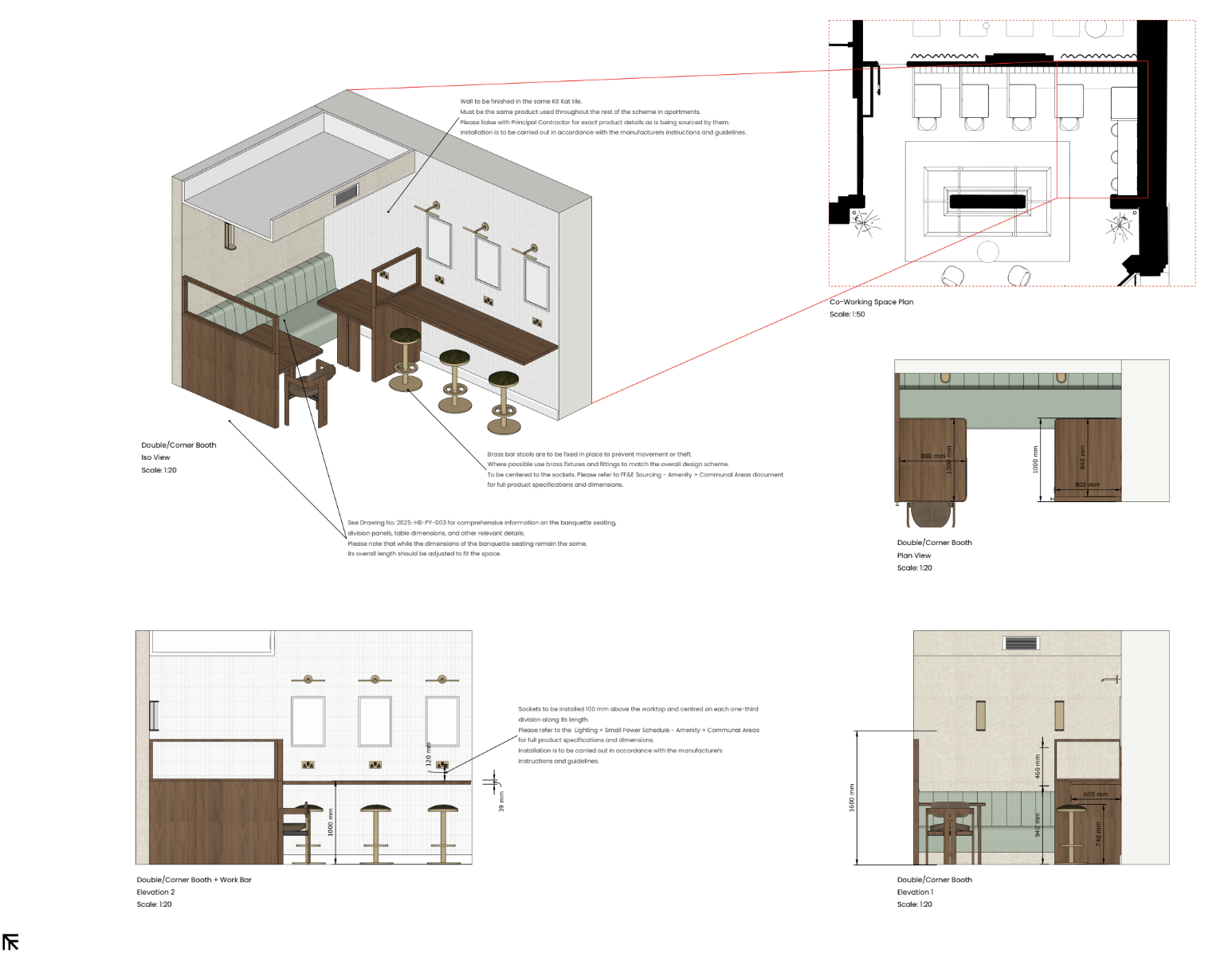
Within the shared spaces, materials quietly reference the area’s industrial heritage. Concrete-effect flooring grounds the interiors, while layered white wall finishes evoke the softness and tactility of paper. In the double-height entrance atrium, paper lanterns emphasise the vertical volume, creating a calm sense of arrival. Rust-toned sofas bring warmth to the residents’ lounge and co-working areas, balancing the cooler material palette.
Inside the apartments, warm timber style surfaces and bronze lighting create a tactile, balanced interior. Tiles echo the geometry of folded paper, adding rhythm and texture across kitchens and bathrooms.
With construction now underway, we look forward to seeing The Paper Yard gradually rise - a new chapter for this corner of the city, where history, material and design come together to create homes that feel both contemporary and deeply connected to their surroundings.